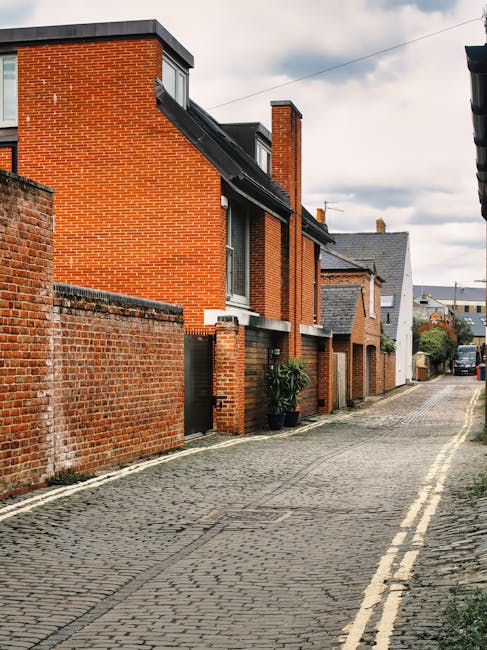
Finchley Removals on Narrow Lanes: What to Know Before Moving Day
Moving house in Finchley can feel straightforward on paper. Then you look at the street outside, spot the parked cars, the tighter turning space, the low-hanging branches, and the narrow lane that seems to shrink the moment a removal van appears. That is exactly why Finchley removals on narrow lanes what to know matters: the move is rarely just about boxes and furniture, it is about access, timing, vehicle choice, and a bit of local common sense.
If you are moving into or out of a terraced home, a flat tucked down a side road, or a property with awkward kerb space, a little preparation goes a long way. In this guide, we will walk through what makes narrow-lane removals different, how the process works, the usual risks, and the practical steps that help everything run more smoothly. No fluff. Just the stuff that saves time, stress, and the occasional scratched wall.
For readers planning a home move, a flat move, or even a small business relocation, this is the sort of detail that makes the day feel manageable instead of chaotic.
Why Finchley removals on narrow lanes what to know Matters
Narrow lanes change the whole rhythm of a move. A removal team cannot simply roll up, park anywhere, and start loading. They need enough room to stop safely, unload without blocking traffic, and manoeuvre furniture without clipping gates, walls, or neighbours' cars. In Finchley, where residential roads can get tight very quickly, that planning is not optional. It is the difference between a calm move and a day full of awkward delays.
Why does this matter so much? Because access affects almost every part of the job: the type of vehicle used, how many crew members are needed, how long the move takes, whether shuttle runs are required, and whether some items need to be carried from further away. Even a short walk from the van to the front door can change the pace of the entire move. Truth be told, that is where many people get caught out.
There is also a neighbour factor. Narrow lanes often mean shared access, limited kerb space, and more foot traffic than you would expect. If a van blocks half the road, someone is going to notice. Keeping things tidy and efficient is not just polite; it can prevent complaints and keep the day moving.
Expert summary: on narrow Finchley streets, good removals are won before the van arrives. The best outcomes usually come from early access checks, realistic vehicle planning, and clear communication about parking, carrying distance, and timing.
If you are already comparing options, it can help to look at broader support services too, such as removals for general moving help, or home moves if you are relocating a full household. For smaller or more flexible jobs, a man and van style service can sometimes suit tighter access better than a larger truck.
How Finchley removals on narrow lanes what to know Works
The process usually starts with a conversation about access. A good removals company will ask where the vehicle can stop, whether there is restricted parking, whether the street is one-way, and how far the property is from the nearest practical loading point. That is not being fussy. It is how they avoid nasty surprises on moving day.
From there, the job is usually shaped around the lane rather than the other way around. In some cases, a medium-sized removal van is a better fit than a large lorry. In other cases, a larger vehicle can still work if there is enough clearance and the road layout is forgiving. Sometimes the team may use a smaller shuttle vehicle, which is basically a second run between the property and a safer parking point. It sounds like a hassle, but it can be the smartest way to keep the move safe and controlled.
Inside the property, the team will usually plan the order carefully: bulky items first, fragile items protected, and anything awkward dismantled in advance where possible. If stairs are tight or turning space is limited, the route through the home matters almost as much as the street outside. You would be surprised how many move-day problems start with a sofa that was never going to make that corner in one piece.
For larger moves, the crew may also use specialist gear and a more structured loading sequence. A moving truck is not automatically the answer for every property, but when the street allows it, it can reduce the number of trips and make heavier loading more efficient.
And yes, timing matters. Early starts tend to be easier on narrow lanes because they reduce pressure from school-run traffic, commuter parking, and the general weekday clutter that builds up by late morning. A quiet 7:30 a.m. street can feel very different from the same lane at 11:30.
Key Benefits and Practical Advantages
When a narrow-lane move is planned properly, the benefits are pretty obvious. The job is safer, quicker, and less stressful for everyone involved. But there are a few less obvious advantages too.
- Less risk of damage: With the right vehicle and crew size, there is less squeezing, shuffling, and last-minute improvising around tight corners.
- Better time control: A planned access strategy helps avoid the slow drift that happens when a team is figuring things out on the fly.
- Fewer neighbour issues: Good planning reduces blocked driveways, awkward traffic interruptions, and unnecessary noise from repeated manoeuvring.
- More suitable equipment use: Narrow lanes often reward the right-sized van, proper trolleys, protective covers, and experienced lifting technique.
- Less physical strain: A clear route and sensible parking point can make a huge difference to the crew, especially with heavier items.
There is also a confidence factor. Once you know the access plan is realistic, everything feels calmer. That sounds simple, but it really does change the day. A move with a sensible route and a decent parking plan tends to feel organised from the outset.
If you are deciding between move types, it may be worth looking at the support available through removal services, or even a more tailored flat removals approach if your property sits above street level and access is tight at both ends.
Who This Is For and When It Makes Sense
This topic matters most if your property is on a narrow residential street, a mews-style road, a cul-de-sac with limited turning, or a lane where parking is always a bit of a puzzle. It also applies if your building is technically accessible but the practical route is awkward. There is a difference, and that difference matters.
You may especially need this kind of planning if you are:
- moving from a terraced home with no direct driveway
- relocating from a top-floor flat with tight stair access
- moving furniture in or out of a road with frequent parking pressure
- handling bulky items such as wardrobes, beds, or a piano
- organising a same-day or short-notice move where access needs to be efficient fast
- coordinating a business move where downtime has to be kept to a minimum
For students, it is often about speed and convenience. A student removals service can be useful when the move is small but the access is awkward, especially if you are juggling boxes, last-day deadlines, and a stairwell that never quite seems wide enough.
For business premises, the same principles apply. A small office on a tight road can be just as awkward as a house move, which is why commercial moves and office removals need access planning just as much as domestic relocations do.
Step-by-Step Guidance
If you want the move to go smoothly, break it into clear stages. Narrow lane removals are rarely won by last-minute heroics. They are won by good prep.
- Check access before booking. Look at the road with fresh eyes. Can a van stop safely? Is there a turning head? Are there resident bays, yellow lines, or regular school traffic?
- Measure the awkward bits. Doorways, stair turns, hall widths, and any low ceilings should be checked for bigger items. A tape measure is boring, yes, but very useful.
- Choose the right vehicle. Bigger is not always better. Sometimes a smaller removal van is the smarter choice.
- Decide what needs dismantling. Beds, tables, and some wardrobes are easier to move if they are taken apart first. That can also protect walls and banisters.
- Pack with access in mind. Keep box sizes manageable. Heavy books in large boxes are a classic mistake. Nobody enjoys that on a second-floor landing.
- Reserve the route if needed. If parking is notoriously tight, you may need to think about temporary arrangements or a clear loading window.
- Plan the order of loading. Put the biggest items in first if they are going to the back of the vehicle, but keep essentials accessible.
- Confirm arrival timing. Narrow roads are easier early in the day, and a bit of flexibility can help if traffic builds up.
Small planning steps often do the heavy lifting. Slightly annoying, perhaps, but true.
Expert Tips for Better Results
In our experience, the best narrow-lane moves are the ones where the crew knows exactly what to expect before they get there. That means the customer has shared honest details, not just the glamorous version. If the road is tight, say so. If parking is a pain, say so. If a sofa only fits on its side and even then it looks questionable, say that too.
Here are a few practical tips that genuinely help:
- Send photos of the access points. A picture of the street, front door, stairwell, and any tight corners can be more useful than a long explanation.
- Keep the kerbside clear where possible. Even a small space saved outside the property can make loading much more efficient.
- Use colour-coded boxes or room labels. On a narrow lane move, time spent searching for the kettle is time you do not really have.
- Protect the property edges. Door frames, bannisters, and corners take the most accidental knocks, so coverings are a smart move.
- Keep essentials separate. Documents, chargers, medication, tea supplies - the little things matter more than people expect.
If you are packing yourself, a good packing and boxes setup can make the whole process feel much more under control. And if you would rather not spend the night before your move surrounded by tape and half-open cartons, packing and unpacking services can take a fair bit of pressure off.
One small but important tip: do not assume the driver can just "make it work" because they are experienced. Experience helps a lot, absolutely. But experience is not magic. If the lane is too tight for a large vehicle, that needs to be planned around, not wished away.
Common Mistakes to Avoid
Most problems on narrow roads come from assumptions. Usually harmless ones, but they still cause trouble. Here are the big ones.
- Assuming any van will fit. A larger vehicle may be fine on one street and useless on the next.
- Not mentioning parking restrictions. Yellow lines, timed bays, residents-only zones, and shared access all matter.
- Leaving packing too late. Rushed packing leads to bad box sizes, weak sealing, and items that are awkward to carry.
- Ignoring the walk from van to door. A short-looking distance can become tiring once you are carrying boxes repeatedly.
- Forgetting about the neighbours. Blocking a driveway for ten minutes can feel like a lot longer when it is not your driveway.
- Not checking insurance and safety cover. If the move involves tight spaces, you want to understand how the company handles protection and liability.
The biggest mistake? Booking based on price alone, then discovering the access challenge was not fully understood. That is when "cheap" gets expensive, and not in a fun way.
Tools, Resources and Recommendations
You do not need a van full of special equipment to make a narrow-lane move work, but a few simple tools can help more than people expect.
- Measuring tape: for doorways, stairs, furniture, and the narrow bits you think will be fine until they are not.
- Protective blankets and covers: useful for furniture, bannisters, and tight corridor corners.
- Furniture sliders and straps: helpful for heavier items and awkward turns.
- Sturdy boxes in sensible sizes: medium boxes are usually kinder on backs than oversize boxes.
- Marker pens and labels: boring, efficient, brilliant.
It also helps to work with a mover who is upfront about planning and pricing. If you are comparing quotes, review the details carefully and ask what is included. For a clearer sense of that side of things, see pricing and quotes. If you want to understand how the company handles responsibility and cover, the insurance and safety information is worth reading before you commit.
For customers who need a bit of breathing room between properties, storage can be a practical bridge. That can be especially useful if access on moving day is awkward and you need to shift things in stages. Not glamorous, but sometimes very sensible.
Law, Compliance, Standards, or Best Practice
For a move like this, the main thing is not legal jargon; it is responsible practice. In the UK, removal work should be carried out with proper care for safety, property protection, and road use. That usually means sensible loading, proper lifting methods, careful vehicle positioning, and awareness of parking or stopping restrictions where they apply.
Good practice also includes clear terms, transparent pricing, and honest communication about access limitations. If a company knows the lane is narrow and says so in advance, that is a good sign. If they brush it off, that is less reassuring. You do not need drama on moving day.
It is also sensible to check how the mover handles cancellations, changes, complaints, and payments. These things do not sound exciting, admittedly, but they matter. A company that is organised about policies is often more organised about the move itself. You can also read their terms and conditions and look at how they approach privacy and payment handling if that is important to you.
From a sustainability angle, waste reduction and reuse are increasingly part of sensible moving practice. If you are decluttering before a move, consider whether items can be reused, recycled, or passed on rather than sent to landfill. The recycling and sustainability information can help you think through that side of the process.
Options, Methods, or Comparison Table
Different access setups suit different move types. Here is a simple comparison that may help you decide what makes sense for your street and property.
| Option | Best for | Pros | Trade-offs |
|---|---|---|---|
| Small removal van | Very tight lanes, short distance moves, smaller homes | More manoeuvrable, easier to park, less road obstruction | May need more trips or tighter packing |
| Medium moving vehicle | Typical residential moves with moderate access | Good balance of capacity and access | Still needs careful parking planning |
| Large truck | Moves with better road width or fewer access limits | Fewer journeys, efficient for larger loads | Can be awkward or unsuitable on narrow lanes |
| Shuttle approach | Properties with awkward kerb space or restricted stopping | Flexible, practical, reduces risk of blocking roads | Extra handling and coordination required |
The right method depends on the street, the property, and the volume of belongings. For some customers, man with van support is enough. For larger households, a fuller house removals service is usually a better fit. There is no one-size-fits-all answer, which is probably annoying but also reassuringly honest.
Case Study or Real-World Example
Picture a typical Finchley move on a narrow residential lane. The property is a two-up, two-down terrace, the street is lined with parked cars, and there is no driveway. The customer has a two-seater sofa, a bed frame, several heavy boxes, and a desk that looked reasonable in the flat and suddenly looks much less cooperative near the front door.
Instead of sending a large truck and hoping for the best, the move is planned with a smaller vehicle and a clear arrival window. The customer sends photos of the road and the stairwell the day before. The crew arrives early, before the lane gets busier, and parks where they can load safely without blocking a neighbour's drive. The sofa is wrapped, the bed frame is dismantled, and the box labels save time at the new place. Simple, really. But it works because the access issue was treated as part of the move, not an afterthought.
The interesting part is what does not happen. No frantic repositioning. No repeated apologies to passing drivers. No last-minute panic about whether the wardrobe will fit through the hallway. The move still takes effort, of course. It is still a move. But the stress level stays manageable, and by late afternoon the kettle is on and the place already feels a bit more like home.
Practical Checklist
Use this checklist a few days before moving day. It is short, but it covers the things that cause most avoidable headaches.
- Confirm the exact moving address and access route.
- Check whether the lane has parking restrictions or limited stopping space.
- Measure stairwells, doorways, and large furniture items.
- Decide which items need dismantling before the move.
- Pack heavy items into smaller boxes.
- Label boxes by room and priority.
- Send photos of access points if the mover asks for them.
- Agree the arrival time and any flexibility needed.
- Keep essentials separate for immediate access.
- Review insurance, safety, and terms before the move.
If you are moving a mix of household and bulky items, furniture removals can be helpful for awkward pieces, while furniture pick up is a useful option if you are clearing items before the move rather than taking everything with you. That little bit of decluttering can make a tight-access move feel much lighter.
Conclusion
Finchley removals on narrow lanes what to know comes down to one simple idea: access shapes everything. The better you understand the street, the vehicle, the load, and the timing, the smoother the move becomes. Narrow lanes are not a deal-breaker. Not at all. They just need a more thoughtful approach.
That means honest planning, realistic expectations, and a removal team that treats the route as seriously as the boxes. Whether you are moving a flat, a family home, or a small office, a narrow lane can be handled well when the details are right. And once the last box is inside and the front door closes behind you, the whole thing feels a lot less daunting than it did at 8 a.m.
Get a free quote today and see how much you can save.
Moving day has enough moving parts already. With the right plan, the lane becomes just another detail, not the main event. And that is a relief, honestly.
Frequently Asked Questions
How do I know if my Finchley road is too narrow for a removal van?
The easiest way is to look at whether a van can stop without blocking traffic, whether there is enough room to turn, and whether parked cars leave a workable gap. If you are unsure, send photos and measurements to the removals team before booking. That usually clears up the question fast.
Should I choose a smaller van for a narrow lane move?
Often, yes. A smaller van is usually easier to park and manoeuvre on tight roads. That said, it depends on how much you are moving and how far the property sits from the loading point. Smaller is not always better, but it is often the practical choice.
What if the removal truck cannot stop right outside my house?
That happens quite a lot on narrow residential streets. The team may park as close as is safe and carry items the remaining distance, or use a shuttle approach. It is not ideal, but it is a normal part of many London moves.
How far in advance should I mention access problems?
As early as possible. Ideally when you ask for a quote. Access issues can affect vehicle choice, crew size, and timing, so leaving it until the day itself is a bit of a gamble.
Can narrow lane removals cost more?
They can, depending on the extra time, labour, parking difficulty, or vehicle size needed. Not every narrow-lane move costs more, though. Some are straightforward once the right plan is in place. The quote should reflect the actual job, not just the postcode.
Is a man and van service better for narrow Finchley streets?
Sometimes it is. A man with van style service can be more flexible for awkward access and smaller loads. For bigger households, a fuller removal service may still be the better fit. It depends on volume and complexity.
What should I pack differently for a tight-access move?
Keep box sizes sensible and avoid overly heavy loads in large boxes. Label everything clearly, and keep essential items separate. If there are lots of awkward or fragile items, using packing and unpacking services can make the day much smoother.
Do I need to worry about parking permits or road restrictions?
Yes, if the street has restrictions. Even temporary stopping rules can affect loading. The safest approach is to check the local parking situation early and tell your mover exactly what applies outside the property.
What if I have a lot of stairs as well as a narrow lane?
Then the move needs planning on two fronts: outside access and inside access. Measure stair width, turns, and landings, and mention any awkward angles. If your place is a flat or top-floor property, a flat removals service may be more suitable than a general booking.
How can I reduce the risk of damage on a narrow road?
Use protective covers, clear the route inside the property, and make sure the crew knows where the tight spots are. Good packing helps too. If large items need moving, house removals support can include the careful handling that makes all the difference.
What is the best time of day for a narrow-lane move in Finchley?
Earlier is usually better. Roads are often quieter, parking is less pressured, and loading tends to be easier before the day gets busy. That said, the right timing still depends on your building, the street, and the move size.
Where can I get help if I am not sure what service I need?
If the move is small, flexible, or access is the main challenge, a removal services discussion can help you work out the right fit. If you are not yet ready to move, storage may give you breathing space while you sort the rest out.