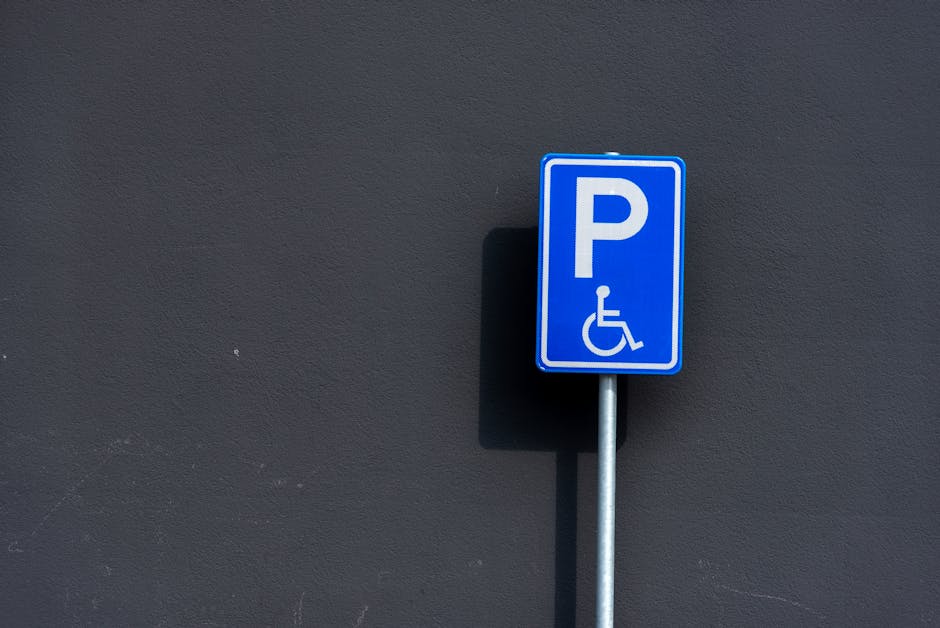
Barnet Council parking permits for Finchley removals
If you are moving in Finchley, parking can make or break the day. A van that cannot stop close to the front door means more carrying, more time, more stress, and sometimes more cost. That is why Barnet Council parking permits for Finchley removals matter so much: they help you plan where the vehicle can legally stop, how long it can stay, and whether you need to arrange special access before the first box comes off the lorry. To be fair, it is one of those unglamorous jobs that pays you back big time later.
In this guide, we will walk through what these permits are, how they usually fit into a removal day in Finchley, what to watch out for, and how to avoid the classic mistakes that turn a tidy move into a slightly chaotic one. If you are using a professional team, it is also worth checking their wider support around removals, home moves, or a lighter-load option such as man and van services, because the right vehicle and the right parking plan tend to go hand in hand.
Table of Contents
- Why Barnet Council parking permits for Finchley removals Matters
- How Barnet Council parking permits for Finchley removals Works
- Key Benefits and Practical Advantages
- Who This Is For and When It Makes Sense
- Step-by-Step Guidance
- Expert Tips for Better Results
- Common Mistakes to Avoid
- Tools, Resources and Recommendations
- Law, Compliance, Standards, or Best Practice
- Options, Methods, or Comparison Table
- Case Study or Real-World Example
- Practical Checklist
- Conclusion
- Frequently Asked Questions
Why Barnet Council parking permits for Finchley removals Matters
Parking is not just a logistics detail. It is the thing that determines whether your removals team can work efficiently or whether everyone is shuffling furniture down the pavement while a neighbour watches from the window. In Finchley, where streets can be narrow, bays can be busy, and residential parking can be tight, a permit or parking arrangement can save a huge amount of hassle.
Without the right parking setup, a removal vehicle may be forced to stop further away than planned. That means longer carries for sofas, wardrobes, white goods, and stacked boxes. It also means more chances of knocking a wall, blocking a driveway, or getting a parking fine. Nobody wants the first memory of a new home to be a damaged radiator cover and a ticket on the windscreen. That is not exactly the welcoming committee people imagine.
For local moves, the issue is often not the distance between addresses. It is the access at each address. You might be moving from a top-floor flat, a terraced house on a busy road, or a property near schools or commuter routes where the kerb space disappears fast. Planning the parking side well is one of the simplest ways to keep the day calm.
Expert summary: if your removal vehicle needs to park on a controlled street, near permit-only bays, or in a place where waiting restrictions apply, sort the parking plan early. That one decision can affect timing, labour, and the overall smoothness of the move more than most people expect.
How Barnet Council parking permits for Finchley removals Works
The exact rules can vary depending on the street, the type of restriction, and whether the parking is managed by permit zones, pay-and-display bays, resident bays, or loading restrictions. In plain English, the idea is simple: if a removals vehicle needs lawful access near your property, you need to check what parking is allowed there and whether an exemption, permit, or temporary arrangement is needed.
Here is the usual practical flow. First, identify the moving address and the likely vehicle size. Then check what kind of parking is outside, or close to, the property. After that, confirm whether a removals lorry, van, or smaller vehicle can stop there for loading and unloading. If a permit is needed, find out the lead time, what details are required, and whether the booking needs to be made in the resident's name, the mover's name, or through a specific application process. That part can feel a bit fiddly, I know.
In many removal situations, the parking plan is less about long-term parking and more about short-stay loading access. That distinction matters. A vehicle might not need to park for hours, but it still needs a lawful place to stand while items are moved between the property and the vehicle. One minute of ambiguity can turn into twenty minutes of guesswork.
It also helps to think about both addresses, not just the one you are leaving. In Finchley, the new property may have very different access from the old one. A ground-floor flat with a clear forecourt is one thing. A second-floor walk-up in a congested street is another entirely. If the access is awkward, a bigger vehicle may not be the smartest choice. Sometimes a removal van or man with van setup is more practical than a larger truck, especially when kerb space is limited.
One more thing: parking permission and moving-day access are not the same as general transport planning. You can have a perfectly packed house and still lose time if the vehicle cannot stop in the right place. It is a boring admin job, but a very useful one.
Key Benefits and Practical Advantages
Getting the parking side right does more than avoid fines. It makes the whole moving experience lighter, quicker, and easier to control. That is especially useful in a busy part of North London where streets can be busy in the morning and a little unpredictable by lunchtime.
- Less carrying distance: closer parking means fewer steps with heavy boxes and fewer chances to drop fragile items.
- Faster loading and unloading: the team can keep momentum instead of pausing for parking issues.
- Lower stress: you are not trying to solve access problems while the clock is ticking.
- Reduced risk of penalties: lawful stopping areas help avoid parking tickets or enforcement issues.
- Better protection for your furniture: less time spent manoeuvring items through tight spaces.
- Smoother neighbour relations: no one enjoys blocking a driveway or making the street feel like a loading bay for half the morning.
There is also a planning benefit that people forget. Once you know where the vehicle can go, you can organise the order of loading. For example, you might put the largest items near the rear of the vehicle so they can come out first at the new property. That sounds obvious, but under pressure it is easy to lose the plan.
If your move is tied to a tight completion time, or if you are switching between a flat and a house, parking certainty becomes even more valuable. In those cases, working with a mover that offers flat removals or structured house removals can help the day feel organised from the start.
Who This Is For and When It Makes Sense
Not every Finchley move needs special parking arrangements. Some properties have private driveways, forecourts, or plenty of unrestricted road space. But if any of the situations below sound familiar, parking permission deserves your attention early on.
- You are moving from or to a permit-only street.
- The property sits on a narrow road with little stopping space.
- There are yellow lines, loading restrictions, or time-limited bays outside.
- You are moving bulky items such as beds, wardrobes, or pianos.
- The building has shared access, a basement entrance, or awkward stairwells.
- You are arranging a same-day move and need everything to run on a tight schedule.
Students and flat-sharers often underestimate this. A small move can still create a parking headache if the only available stop is half a street away. Likewise, office moves can run into access issues because the ideal handover window is often early or late, right when parking rules still apply in full. If that sounds like your situation, it is worth looking at student removals or office removals options with access planning built in.
Truth be told, the people who benefit most are usually the ones who think ahead by a day or two. The ones who say, "We'll just sort parking on the morning," often end up making rushed calls from the pavement. Not ideal.
Step-by-Step Guidance
If you want the parking side of your Finchley removal to go smoothly, follow a simple, ordered process. It does not need to be complicated.
- Check the street layout at both addresses. Look for resident bays, loading bays, yellow lines, or restrictions that affect stopping.
- Estimate the vehicle you need. A van, removal van, or larger truck will create different parking needs.
- Confirm loading access. Think about how close the vehicle can get to the front door, lift, or stairwell.
- Plan timing carefully. Morning school traffic, commuter peaks, and bin collection days can all affect access.
- Decide whether a permit or special arrangement is needed. If yes, sort it early rather than leaving it until moving week.
- Tell everyone involved. The mover, the resident, and anyone helping should know the parking plan.
- Prepare a backup. If your preferred space is occupied, identify a second option in advance.
A practical moving team will usually ask about parking before the job starts. That is a good sign. It shows they are thinking about the real-world shape of the move, not just the boxes. If you are comparing quotes, take a look at pricing and quotes information as well, because access issues can influence the time needed and the vehicle type recommended.
One useful habit: take a quick photo of the street outside each address a day or two before the move. It sounds almost too simple, but it helps when you are describing the layout to a mover or checking whether the parking situation has changed overnight. Little things, big difference.
Expert Tips for Better Results
Experience has a funny way of turning "should be fine" into "we should have checked that earlier." Here are a few practical tips that genuinely help.
- Measure the access, not just the room size. A large sofa may fit indoors but still be miserable to carry from a distant parking spot.
- Think about the weather. A wet morning makes repeated trips heavier and slower, especially with cardboard boxes.
- Keep a small bag of essentials with you. If parking is awkward, you do not want to be hunting for phone chargers, snacks, or keys in a stack of sealed boxes.
- Use the right vehicle size. Bigger is not always better. In some Finchley streets, a more compact vehicle makes access simpler.
- Build in a time buffer. Parking and access almost always take a bit longer than the neat plan on paper.
For delicate or awkward loads, parking planning matters even more. A piano, for example, is not something you want carried an extra fifty metres because of avoidable access issues. If that is part of your move, it may be wise to speak about piano removals and the parking setup at the same time.
And yes, sometimes the best advice is simply: do not assume the first open space will still be open when the van arrives. It rarely feels that simple on the day.
Common Mistakes to Avoid
Most parking-related moving problems come from a handful of predictable mistakes. The good news is that they are easy to avoid once you know what to look for.
- Leaving parking planning until moving day. This is the big one. It creates pressure from the first minute.
- Assuming a space is fine because it looks empty. A space can still be restricted or time-limited.
- Forgetting the second address. The new home can be just as tricky as the old one.
- Using a vehicle that is too large for the street. A truck that cannot stop close enough defeats the purpose.
- Not telling helpers where to unload. People start improvising, and then the system falls apart a little.
- Ignoring nearby activity. School runs, refuse collection, road works, and local deliveries can all disrupt access.
There is also a softer mistake: trying to do everything yourself when you are already stretched. Moving is tiring. You are juggling phone calls, paperwork, and the odd emotional moment when you find an old photo in a drawer. That is normal. If a team can handle the lifting while you handle the parking permissions and property handover, life gets easier very quickly.
Tools, Resources and Recommendations
You do not need a pile of complicated tools to get this right. A few simple items and a bit of disciplined note-taking usually do the job.
- Street photos: helpful for assessing parking signs, bay markings, and access points.
- A written move plan: basic but powerful. Include arrival time, contact numbers, and vehicle type.
- Floor plans or room notes: useful if the mover needs to judge carry distances.
- Inventory list: helps match load size to access and parking constraints.
- Quotes from experienced movers: a good quote should reflect the reality of access, not just the number of rooms.
If you are still planning the rest of the move, service pages such as packing and boxes and packing and unpacking services can help reduce the pressure on the day. Fewer loose items, fewer last-minute surprises, less frantic searching for tape at 7:30 in the morning. You know the drill.
For short-notice moves, it can also help to consider same day removals if timing has become tight. Just remember that parking still needs to be checked, even when the move is urgent.
Law, Compliance, Standards, or Best Practice
Parking arrangements for removals sit within normal local parking controls, and those controls should be respected carefully. In practical terms, that means reading signs properly, understanding where stopping is allowed, and not treating a loading activity as a free pass to park anywhere. Councils and enforcement teams tend to look at the vehicle position, duration, and the type of restriction in force. It is safer to assume nothing and check everything.
Good moving practice also means protecting public space and keeping access routes clear. Pavements, dropped kerbs, and shared entrances should be treated with care. If your removal involves a block of flats or a busy street, it is sensible to plan for pedestrian access too. People still need to get through, after all.
From a general best-practice point of view, a mover should:
- ask about parking before confirming the job;
- choose a vehicle that suits the street layout;
- protect items during short carries between the property and vehicle;
- avoid blocking neighbours, driveways, or access points unnecessarily;
- work within the local parking rules rather than trying to improvise around them.
If you want a broader sense of how a professional service handles risk, it is worth reading the company's health and safety policy and insurance and safety information. For many customers, that is the bit that makes the whole process feel properly managed rather than casually arranged.
Options, Methods, or Comparison Table
Different moving setups call for different parking approaches. Here is a simple way to compare the usual options.
| Approach | Best for | Pros | Watch-outs |
|---|---|---|---|
| Permit or controlled bay access | Longer household moves in managed streets | More predictable parking, closer loading | May need advance planning and correct details |
| Short-stay loading arrangement | Quick loading/unloading windows | Efficient and practical for small-to-medium moves | Time limits can be strict |
| Smaller vehicle access | Compact streets or tight turning areas | Easier to position near the door | May require more trips if the load is large |
| Private driveway or off-street access | Properties with their own parking | Simplest option, low stress | Not always available at both addresses |
For many Finchley moves, the best answer is a mix: use the most suitable vehicle, park as close as possible within the rules, and organise the loading order so the job flows naturally. Sometimes a full-size truck is right. Sometimes a more flexible man with a van setup is better. The street tells the truth faster than any brochure does.
Case Study or Real-World Example
Imagine a couple moving from a first-floor flat off a busy Finchley road into a terraced house a few streets away. The distance is tiny, but the access is not. The old property has no driveway, the road is lined with permit bays, and the new property has a narrow frontage with neighbours parking close by.
They start by checking the parking layout at both addresses. At the flat, they realise a larger truck would be awkward because there is limited stopping space and a lot of foot traffic. At the new house, they notice the front access is better but still not generous. So they choose a more manageable vehicle, keep the schedule tight, and plan the order of items carefully so that beds and essentials come out first.
On moving day, the team arrives, parks as near as possible within the rules, and begins loading without a long wait for a free space to appear. The result is not dramatic. Which is exactly the point. The move feels calm, nobody is doubling back across the road with a chest of drawers, and the day finishes before everyone has melted into that slightly tired, post-move silence you get when the kettle finally goes on.
That is what good parking planning does. It takes the drama out of the day. Quietly. Almost invisibly.
Practical Checklist
Use this checklist before moving day. It is simple, but it covers the stuff people usually forget when the house is full of boxes and everybody is a bit frazzled.
- Confirm the exact moving date and arrival window.
- Check parking restrictions at both addresses.
- Decide whether the vehicle will be a van, removal van, or larger truck.
- Identify where loading and unloading can happen legally.
- Note any nearby obstacles, such as trees, low branches, or narrow gates.
- Prepare photos of the street and entrance if access looks tight.
- Tell your mover about staircases, lifts, and carry distances.
- Keep key documents, keys, and contact numbers easy to reach.
- Have a backup parking option in mind.
- Leave a little extra time in case the street is busier than expected.
If you are handling a more complex move, it can help to keep important items in a separate, clearly labelled bag. That includes keys, chargers, medication, and paperwork. Small thing, huge relief.
Get a free quote today and see how much you can save.
Conclusion
Barnet Council parking permits for Finchley removals are really about one thing: making sure the move can happen without unnecessary friction. Parking seems minor until you are standing outside a property with a sofa, a trolley, and a street full of cars. Then it becomes very real, very fast.
If you plan early, match the vehicle to the street, and keep access rules in mind, you give yourself a far better chance of a calm, efficient day. And if you are working with a local team that understands Finchley's parking quirks, even better. The move feels more manageable, the lifting gets easier, and you are far less likely to spend the morning worrying about a missing space.
In the end, that is what good moving support should do: make a busy day feel steady, and leave you with a clear path into the next chapter.
Frequently Asked Questions
Do I need a Barnet Council parking permit for a Finchley house move?
It depends on the street, the restrictions outside the property, and whether the vehicle can legally stop close enough for loading. If parking is controlled, a permit or parking arrangement may be needed.
How far in advance should I check parking for a removal in Finchley?
As early as possible. A few days can help, but longer is better if the street is busy or if you need to organise something formal. Last-minute parking planning tends to feel rushed.
Is a removal van better than a larger truck for narrow Finchley roads?
Often, yes. Smaller vehicles can be easier to position in tighter streets, though the right choice depends on how much you are moving and how far items need to be carried.
What happens if the parking space outside my property is already taken?
You need a backup plan. That may mean using a nearby legal loading area, adjusting the vehicle size, or changing the unloading sequence. It is much easier if you have thought about this before the move starts.
Can movers handle the parking arrangements for me?
Some movers can advise on access and vehicle choice, but the exact permit or council process may still need to be arranged by the person responsible for the property. Always confirm responsibilities early.
Do parking permits affect the cost of removals?
They can, indirectly. If parking is difficult or access is restricted, the move may take longer or require a different vehicle. That can influence the quote.
What if I am moving from a flat with no driveway?
Then access planning becomes especially important. Flats often mean stairs, lifts, or longer carry distances, so parking close to the entrance can make a big difference.
Are same-day removals possible if parking is not sorted yet?
Sometimes, but it is not ideal. Same-day removals can work for urgent situations, but parking still needs immediate attention because access problems do not disappear just because the move is urgent.
Should I mention parking issues when asking for a quote?
Absolutely. Good quotes should reflect the real conditions at both addresses. If parking is tight, say so. It helps the mover recommend the right setup and reduces surprises later.
What details should I have ready before arranging parking for a move?
Have the moving date, address, vehicle size, likely loading times, and any known restrictions ready. Street photos and notes about entrances, lifts, or staircases are useful too.
Is parking planning important for office removals too?
Yes, very much so. Office moves can have strict time windows, shared entrances, and heavier equipment. Parking and access planning are often just as important as the packing itself.
Where can I get help if I want the move organised properly?
Look for a mover that understands access planning, vehicle choice, and local conditions in Finchley. If your move also needs packing, storage, or a more tailored setup, those services can make the process much smoother.